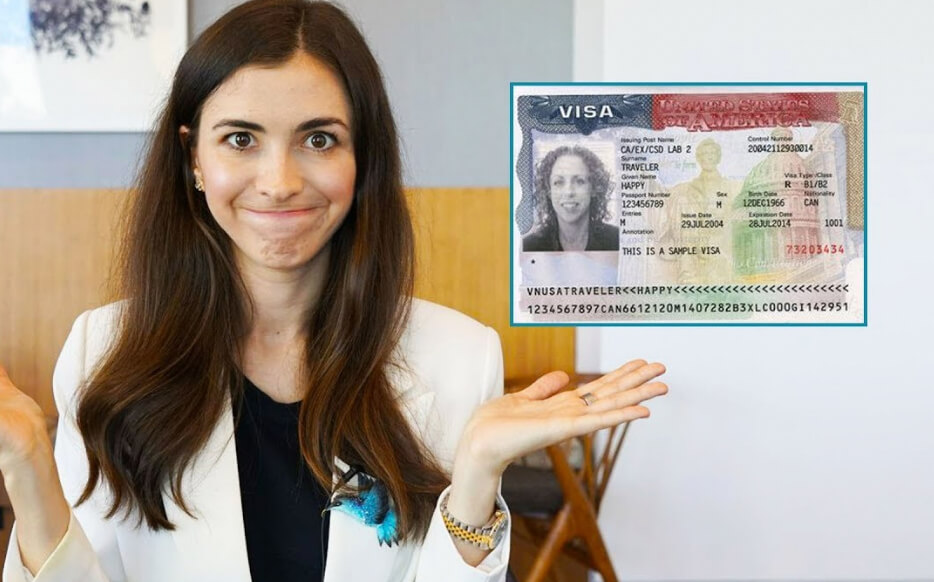
Studying in the United States is a dream for many students around the world. With top-ranked universities, advanced research opportunities, and diverse academic programs, the USA remains one of the most popular destinations for higher education. However, before starting your journey, you must obtain a student visa. Understanding the process, requirements, and important guidelines can help you secure your visa smoothly and avoid unnecessary delays.
What Is a USA Student Visa?
A USA student visa is an official document that allows international students to enter and stay in the United States for educational purposes. The most common types of student visas are:
- F-1 Visa: For students enrolled in academic programs such as universities, colleges, and language schools.
- M-1 Visa: For students attending vocational or technical programs.
- J-1 Visa: For exchange students participating in cultural or educational exchange programs.
Among these, the F-1 visa is the most widely used by international students.
Eligibility Requirements
To apply for a USA student visa, applicants must meet certain eligibility criteria. First, you need to be accepted into a Student and Exchange Visitor Program (SEVP)-approved institution. Once accepted, the institution will issue a Form I-20, which is required for your visa application.
Other key requirements include:
- A valid passport
- Proof of sufficient financial resources to cover tuition and living expenses
- Intent to return to your home country after completing your studies
- English language proficiency (if required by the institution)
Meeting these criteria is essential for a successful application.
Step-by-Step Application Process
The student visa application process involves several important steps.
First, secure admission to a recognized U.S. institution and receive your Form I-20. Next, pay the SEVIS (Student and Exchange Visitor Information System) fee, which is mandatory for all F-1 and M-1 visa applicants.
After that, complete the DS-160 online visa application form. This form collects personal, educational, and travel information. Once submitted, you must schedule a visa interview at the nearest U.S. embassy or consulate.
During the interview, you will need to present required documents, answer questions about your study plans, and demonstrate your eligibility. If approved, your visa will be stamped in your passport.
Required Documents
Preparing the correct documents is one of the most important parts of the application process. Commonly required documents include:
- Valid passport
- Form I-20 issued by your university
- DS-160 confirmation page
- SEVIS fee payment receipt
- Visa appointment confirmation
- Passport-size photographs
- Academic transcripts and certificates
- Proof of financial support (bank statements, sponsor letters)
Having complete and accurate documentation increases your chances of approval.
Visa Interview Tips
The visa interview is a crucial step where applicants must prove their intentions and qualifications. Consular officers typically ask questions about your chosen university, study program, financial situation, and future plans.
To succeed in the interview:
- Answer questions honestly and confidently
- Be clear about your academic goals
- Show strong ties to your home country
- Provide clear financial evidence
Avoid giving unclear or inconsistent answers, as this may lead to rejection.
Cost of a USA Student Visa
Applying for a student visa involves certain fees. The main costs include the SEVIS fee and the visa application fee. These fees may vary slightly depending on exchange rates and policies.
In addition to visa fees, students should also budget for travel expenses, accommodation, health insurance, and initial living costs. Proper financial planning ensures a smoother transition to student life in the USA.
Working While Studying
Many international students are interested in working while studying in the United States. F-1 visa holders are generally allowed to work on campus for up to 20 hours per week during the academic term and full-time during holidays.
Off-campus work is also possible through programs such as Optional Practical Training (OPT) and Curricular Practical Training (CPT), which allow students to gain practical experience related to their field of study.
However, working without proper authorization can lead to serious consequences, including visa cancellation.
Common Reasons for Visa Rejection
While many applicants are approved, some student visa applications are rejected. Common reasons include insufficient financial proof, lack of clear academic goals, weak ties to the home country, or incomplete documentation.
To avoid rejection, ensure that all documents are accurate and that you present a clear and genuine purpose for studying in the United States.
Benefits of Studying in the USA
Studying in the United States offers numerous advantages. Students gain access to world-class education, advanced research facilities, and diverse academic programs. The multicultural environment allows students to interact with people from different backgrounds, enhancing personal and professional growth.
Graduates from U.S. institutions are highly valued by employers worldwide, opening doors to global career opportunities.
Important Rules to Follow
After receiving your visa and arriving in the United States, it is important to follow all immigration rules. Maintain full-time student status, keep your documents updated, and inform your institution of any changes in your address or academic program.
Following these rules ensures that you remain legally compliant and avoid issues with your visa status.
Conclusion
Obtaining a USA student visa is a crucial step toward achieving your educational goals in one of the world’s leading academic destinations. By understanding the application process, preparing the required documents, and performing well in your interview, you can increase your chances of approval. With proper planning and determination, studying in the United States can become a life-changing experience that opens doors to global opportunities, personal growth, and long-term success.